

The adaptive ground-to-air intelligence layer that detects, classifies, and closes the kill chain against UAS, loitering munitions, and low-altitude aerial threats — learning from every encounter across every connected site.
Adaptive ground-to-air intelligence for defended sites.
The proliferation of small autonomous aerial platforms — from commercial quadcopters to purpose-built loitering munitions — has created a threat environment that is cheap, distributed, and designed to exploit the assumptions in legacy detection systems. New airframe profiles emerge constantly. RF-silent platforms defeat RF-dependent architectures. Deployed AI systems decay as conditions diverge from original calibration.
ARIES addresses this gap. It sits across existing ground infrastructure — cameras, radar, acoustic detectors, RF scanners — correlating what each sensor sees, resolving contradictions, and building a single coherent air picture in real time. Once a threat is identified, ARIES connects directly to the response: RF jamming, drone-to-drone interception, or ground-based neutralization — governed by operator rules of engagement.
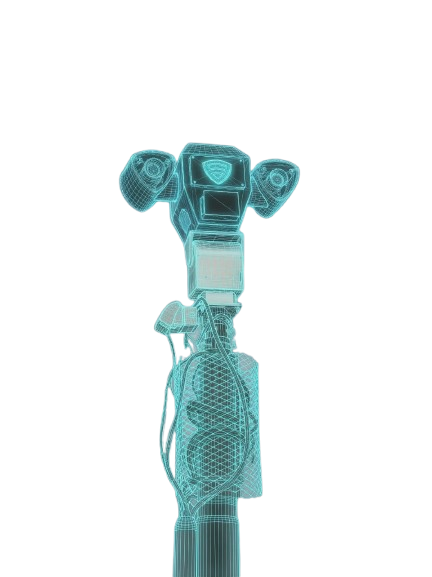
ARIES — On-Site Adaptation
Threat Detection
Aerial Identification
Autonomous Detection
Event Monitoring
Aerial Threat Classification
Autonomous Response
Drone-to-Drone Interception
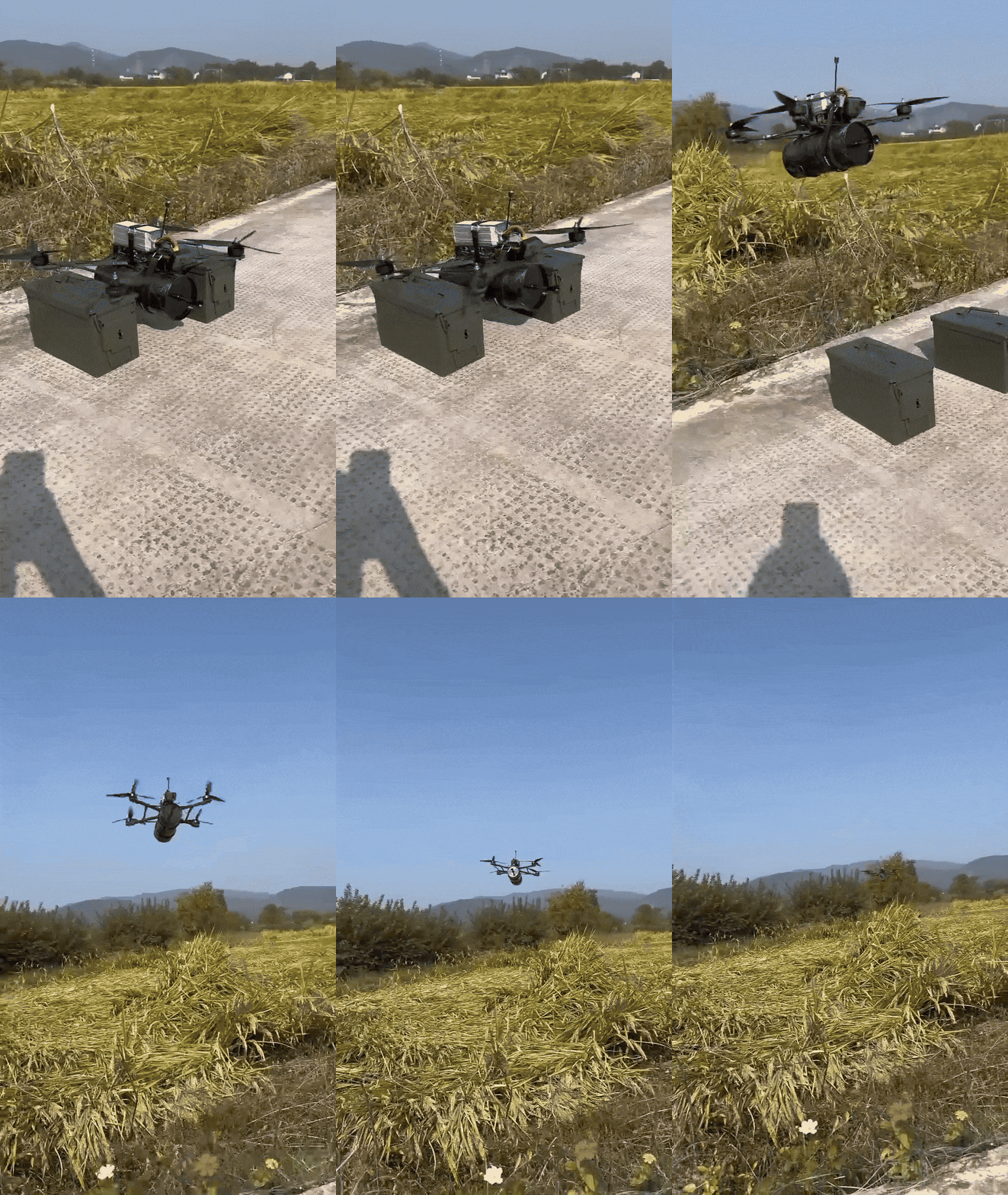
Directional RF Jamming
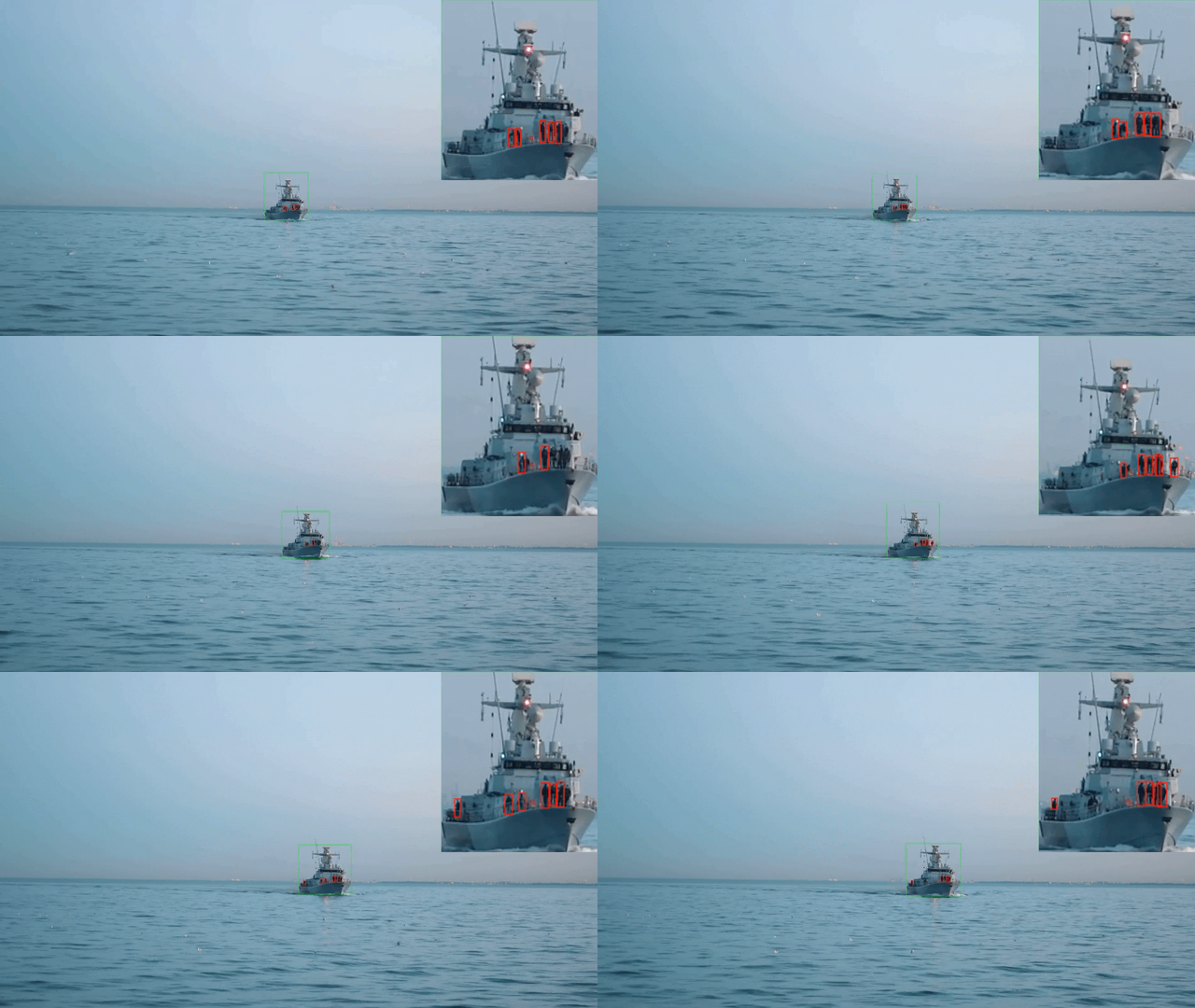
Multi-Sensor Correlation
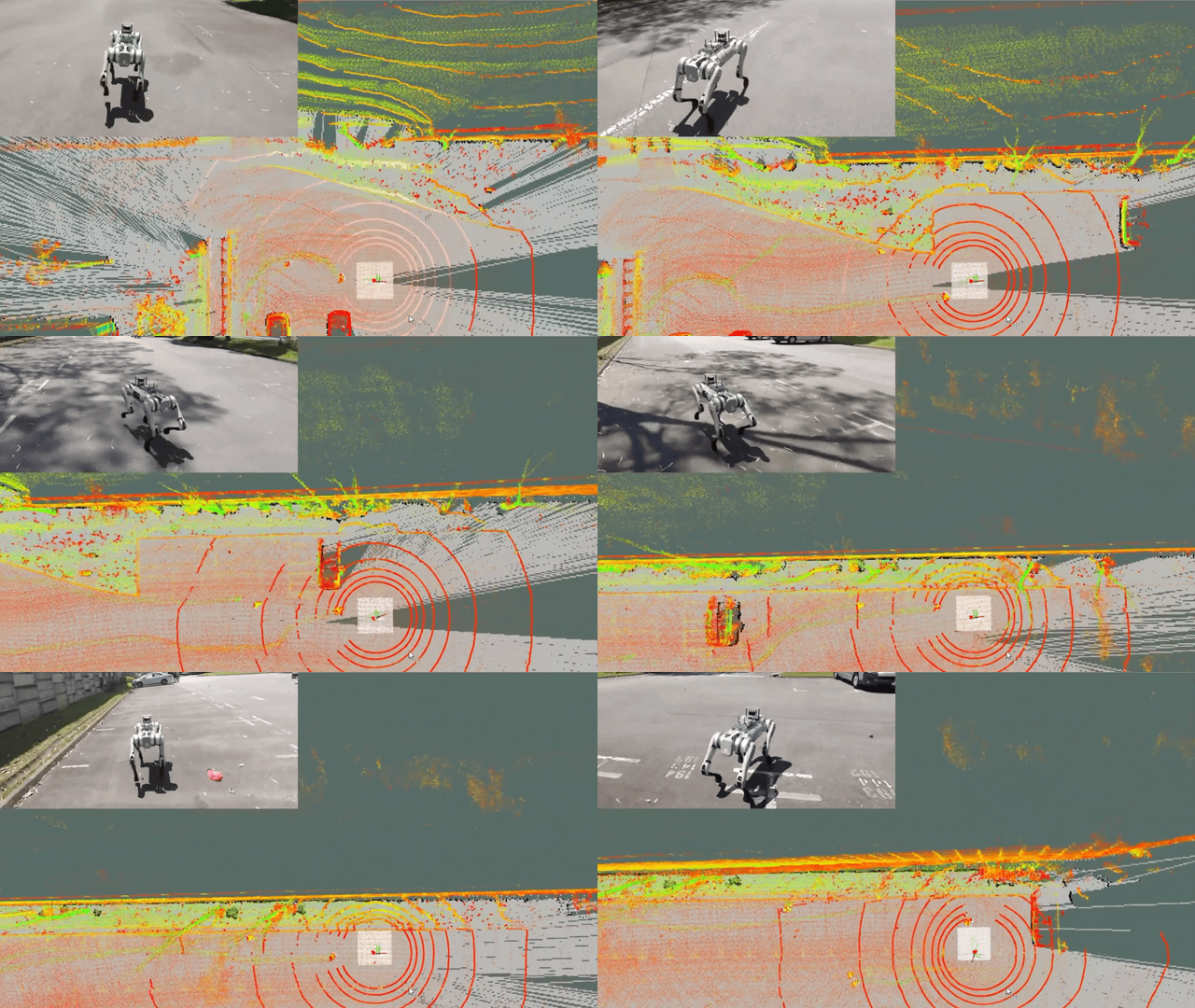
Operator-Governed Engagement
These baseline capabilities are extended through on-device adaptation — ARIES learns new threat signatures and refines detection-to-response logic from operational experience.
Deployed across U.S. military installations, Indian Air Force bases, and active Middle East conflict zones against live aerial threats.
Validated against RF-silent dark drones, Shahed-class loitering munitions, manned fixed-wing aircraft, helicopters, and commercial quadcopters.
Operates across existing sensor infrastructure — cameras, radar, acoustic detectors, and RF scanners — without requiring hardware replacement.
Active conflict zones, military installations, and multi-agency field exercises — where static detection fails against evolving aerial threats.
Multi-agency field exercise testing ARIES against RF-silent dark drones. Detected, tracked, and classified threats that defeat most RF-dependent counter-UAS systems.
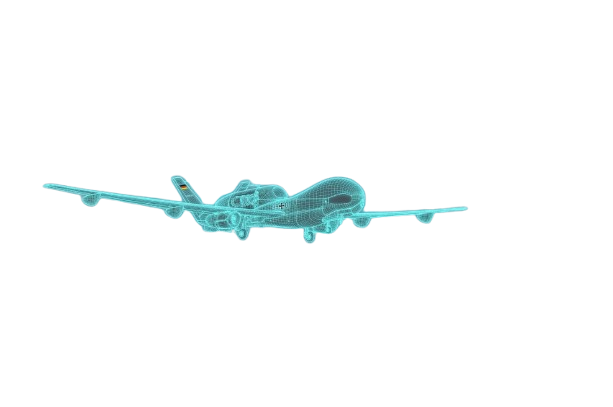
Real-time detection of manned aircraft under live operating conditions at IAF Lohegaon Air Base.
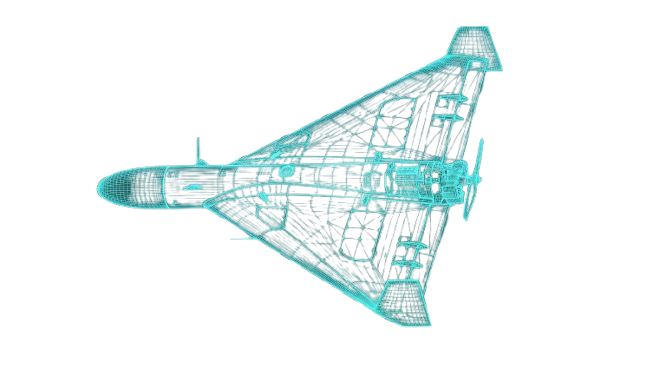
Operational deployment against Shahed-class loitering munitions in active conflict.
Detection-to-classification across radar, optical, acoustic, and RF sensor arrays.
Violence detection, crowd analytics, and aerial identification — adaptive perception where threats evolve faster than static models can track.
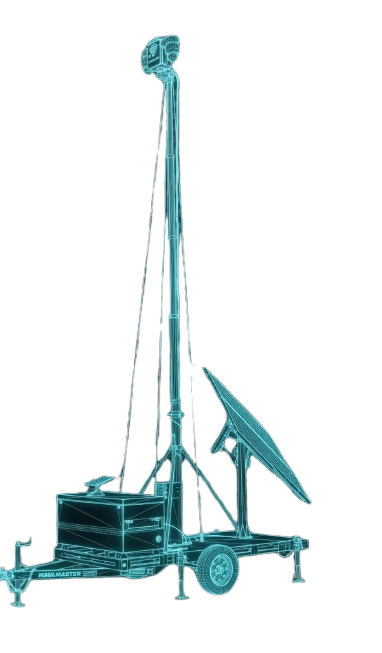
Scout Tower deployed for persistent border surveillance — delivering continuous wide-area monitoring across remote terrain to detect and track unauthorized crossings in real time.
Drone detection and airspace monitoring at public events including political rallies and religious gatherings.
Scout Tower deployed to monitor the border with cameras and radars.
Energy sites, military bases, and high-value installations — persistent airspace monitoring across perimeters too vast for fixed detection.
Persistent airspace monitoring across energy facility perimeters, detecting unauthorized aerial intrusions in real time.
Gujarat Mineral Development Corporation — perimeter monitoring for state-owned minerals and lignite mining.
Adaptive airspace surveillance learning site-specific threat patterns.
For defense programs, site integration, or operational evaluation.


