Skylark Labs' Automated Maintenance Monitoring (AMM) Vehicle uses adaptive AI to detect road damage, predict failures, and prioritize repairs across large-scale transportation networks.
01Why Reactive Maintenance Falls Short.
Rising traffic volumes, extreme weather, and aging infrastructure outpace traditional repair cycles. Heavy traffic and weather extremes degrade surfaces faster than scheduled inspections can track, while potholes and surface defects cause accidents and vehicle damage before crews are dispatched.
Late detection inflates repair costs and misallocates limited maintenance budgets. Unnecessary full-section repairs waste materials and increase carbon output. According to the American Society of Civil Engineers, deferred road maintenance costs taxpayers significantly more than timely intervention -- a gap that edge AI systems are designed to close.
The AMM Vehicle learns from every kilometer it surveys. Over time, the system gets better at predicting which road segments will fail next.Dr. Amarjot Singh, CEO of Skylark Labs
02How the AMM Vehicle Works.
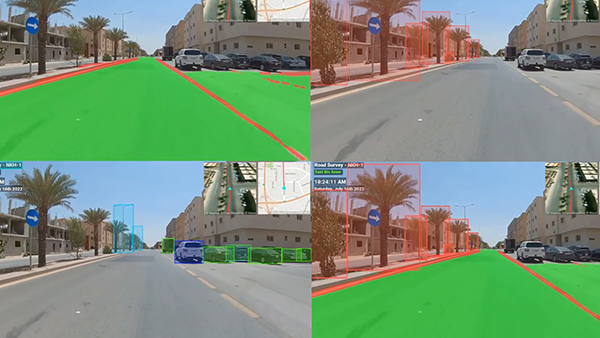
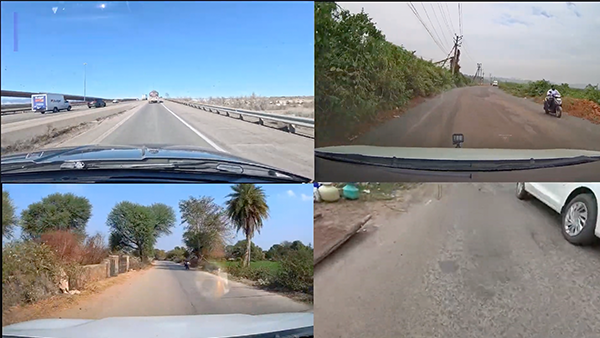
Vehicle-mounted sensors continuously scan road surfaces. Adaptive AI classifies damage types, geotags each defect, and feeds priority rankings to maintenance teams through the Kepler platform. The system detects cracks, potholes, and surface deformation across varying road types and lighting conditions.
Environmental adaptability ensures reliable performance in rain, snow, dust, and extreme heat without recalibration. GPS-tagged defect maps give planners a network-wide view of maintenance priorities, while predictive scheduling models flag sections likely to fail, enabling repairs before damage escalates.
Geospatial intelligence transforms raw defect data into actionable maintenance plans. Every crack, pothole, and deformation is automatically classified, geotagged, and prioritized -- giving road authorities a living map of their entire network's health powered by Sentinel AI Camera technology.Highlight
03Deployment Impact.
Proactive hazard repair reduced road-condition-related incidents in monitored corridors. Predictive scheduling cut maintenance expenditure by 40% through targeted interventions. Precision repairs reduce material waste and lower the carbon footprint of maintenance operations.
Early intervention preserves pavement integrity and extends useful life by years. Municipalities deploying the system report lower costs, safer roads, and longer pavement lifecycles across their transportation infrastructure.