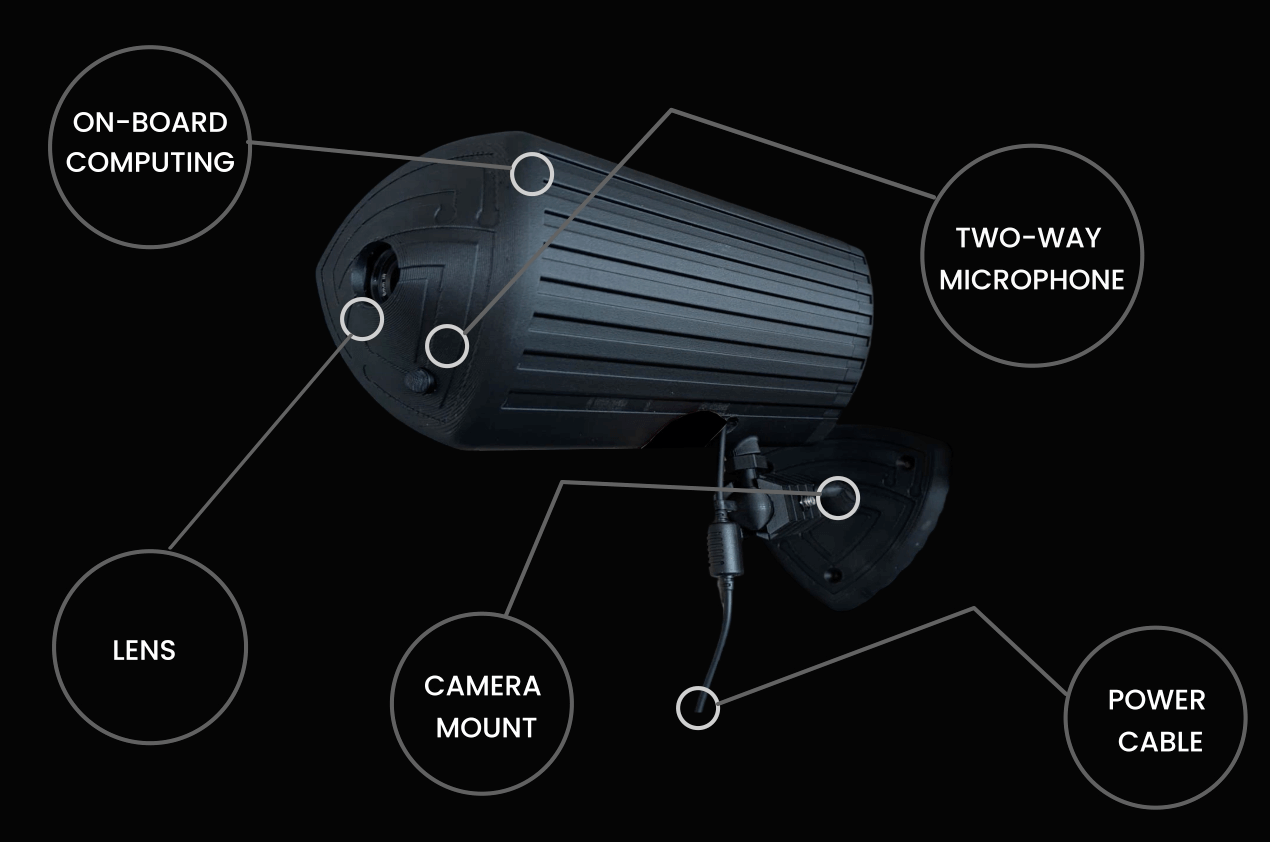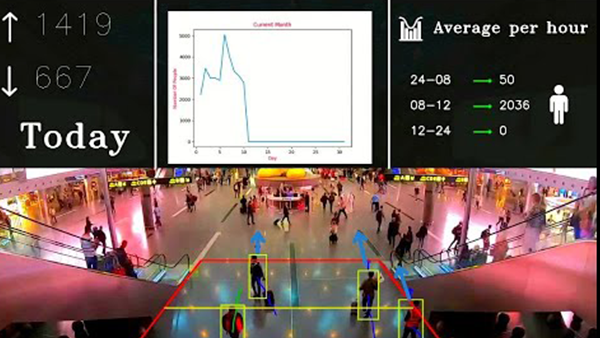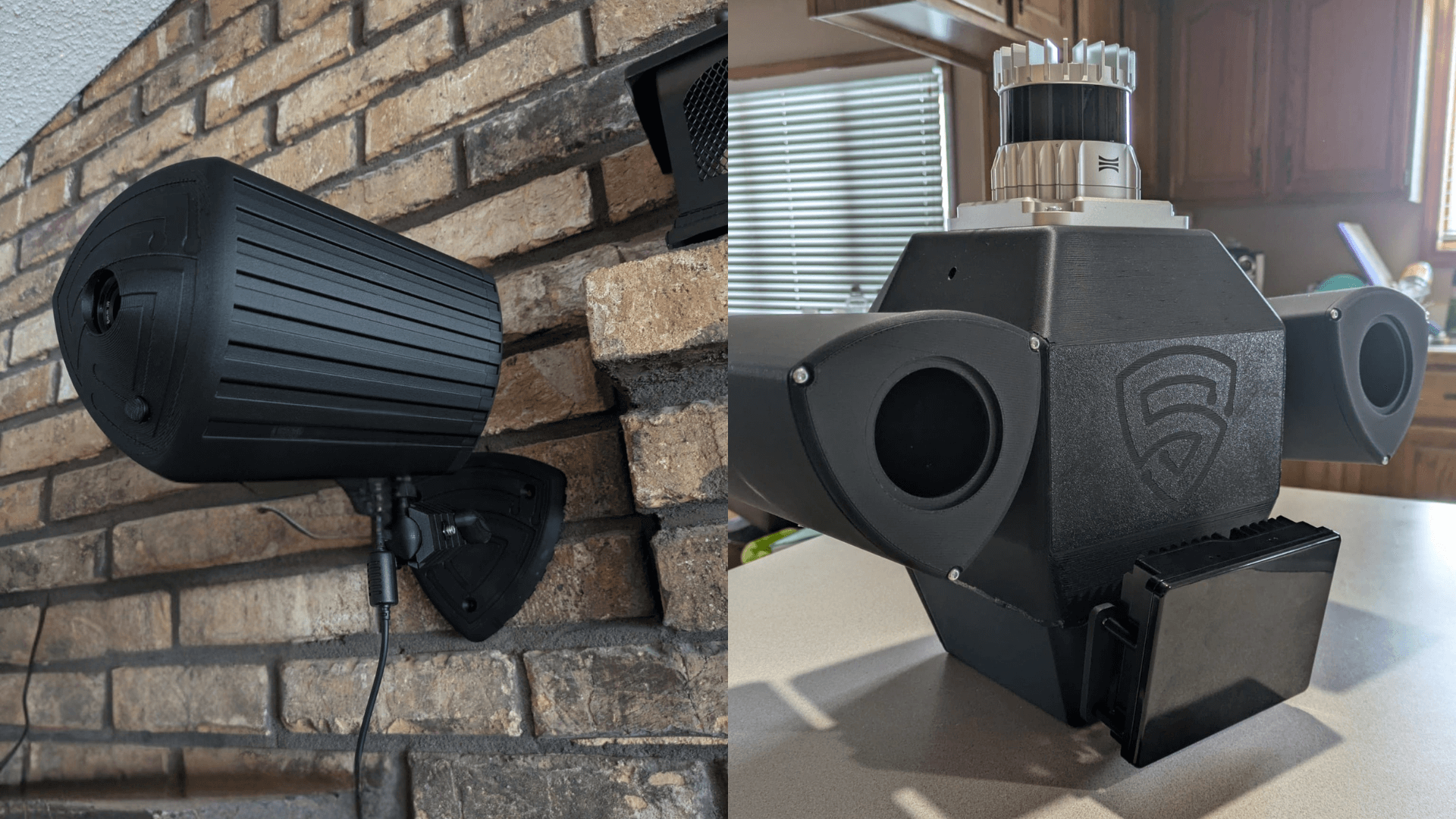
Adaptive AI cameras process video at the edge, delivering real-time situational awareness across public safety, traffic, and industrial operations. Built on Skylark Labs' Kepler platform, these intelligent cameras learn from each environment and adapt without manual tuning -- closing the gap between edge computing and actionable intelligence.
01Why Traditional Surveillance Falls Short.
Fixed-rule camera systems cannot adapt to changing environments. The result is missed events, alert fatigue, and coverage gaps that grow as deployments scale. Static monitoring fails when lighting, weather, or activity patterns shift, and operators cannot review the volume of footage that modern camera networks produce. According to a MarketsandMarkets report, the global video surveillance market is projected to reach $83.3 billion by 2028, yet much of that investment is wasted on systems that record without understanding.
Adding new sites requires re-engineering rather than simple deployment, and most legacy systems treat cameras as isolated data collectors rather than intelligent sensors. The fundamental problem is architectural: conventional surveillance was designed to capture footage for after-the-fact review, not to generate real-time insight at the point of observation.
The cameras that matter most are the ones that learn on their own -- adjusting to each site without manual tuning.Dr. Amarjot Singh, CEO of Skylark Labs
02Edge AI That Adapts in Real Time.
Skylark Labs cameras run inference on-device through the Synapse AI Box, fusing multi-sensor data into actionable alerts without cloud round-trips. Local processing eliminates latency and reduces bandwidth requirements while combining visual, thermal, and audio inputs for comprehensive scene understanding.
Every alert is enriched with context -- location, timestamp, confidence score, and classification -- so operators receive structured intelligence rather than raw video clips. This approach transforms the camera from a passive recorder into an active intelligence asset.
Predictive analytics detect emerging patterns and surface anomalies before they become incidents. The Kepler platform enables these models to continuously learn from each environment, adapting detection thresholds based on time of day, weather conditions, and historical activity patterns -- a capability that NIST research identifies as critical for next-generation surveillance.Highlight
03Measured Outcomes.
When cameras think for themselves, the operational picture changes fundamentally. Models update continuously as conditions change on site, threats are flagged before they escalate, and new cameras self-configure -- keeping deployment cost flat. Structured analytics feed directly into operational dashboards, giving public safety teams and facility managers the real-time awareness they need.
Adaptive AI cameras shift surveillance from passive recording to active intelligence. By processing at the edge and learning from each environment, they deliver the real-time awareness that modern security operations require -- from a single building lobby to an entire smart city network.