Ports and airports move thousands of people and tons of cargo daily. Skylark Labs deploys multi-sensor AI across entire facilities, correlating events from cameras, radar, and access systems into a single operational picture -- providing the scale and speed that IATA security standards and modern defense-grade operations demand.
01Why Conventional Systems Cannot Keep Up.
High-traffic zones operate around the clock across sprawling perimeters. Manual monitoring and legacy cameras leave critical gaps in coverage. Restricted zones remain vulnerable when access control is checkpoint-only, threats surface in review footage rather than in real time, and tracking individual shipments across acres of yard space is impractical without automation. The U.S. Customs and Border Protection has identified these gaps as a priority for modernization.
Guard-intensive operations drive costs up while response times stay flat. The fundamental challenge is that port and airport environments are too large, too dynamic, and too complex for any human team to monitor comprehensively with conventional security infrastructure.
At port and airport scale, you cannot staff your way to security. The system itself has to be intelligent.Dr. Amarjot Singh, CEO of Skylark Labs
02AI Built for Wide-Area Operations.
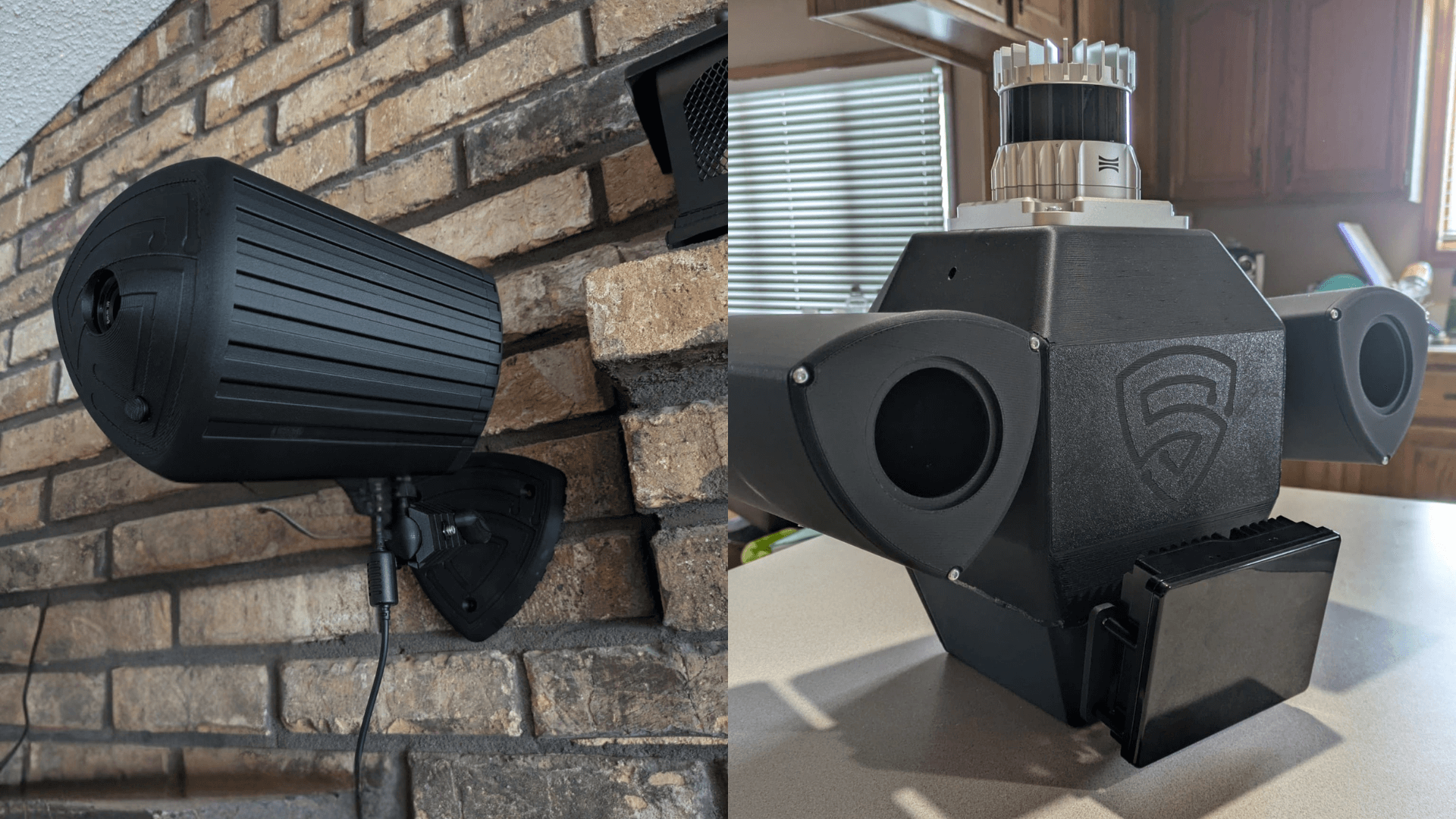
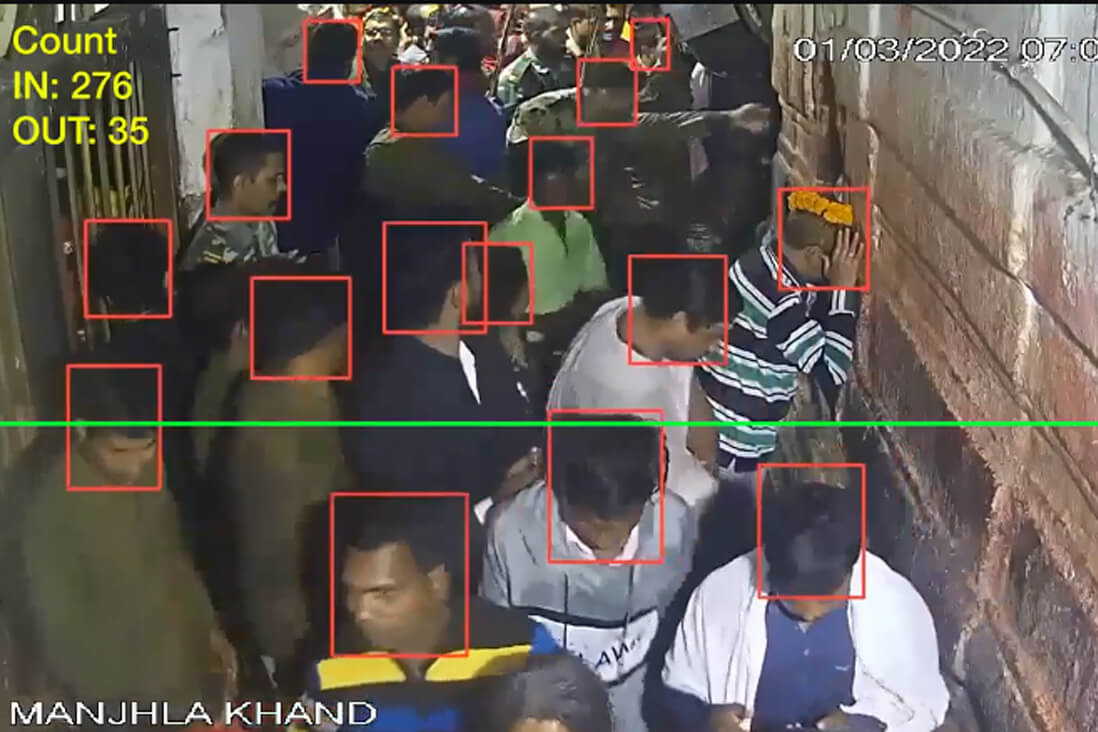
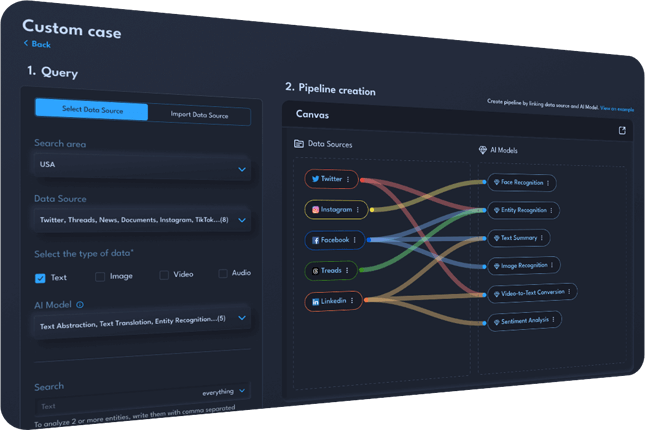
Skylark Labs deploys multi-sensor AI through the Synapse AI Box and Sentinel AI Camera across entire facilities, correlating events from cameras, radar, and access systems into a single operational picture. Proactive threat detection flags perimeter breaches, abandoned objects, and suspicious behavior instantly.
The CFAMs architecture adapts to new conditions without retraining, scaling from a single terminal to an entire port or airport complex.
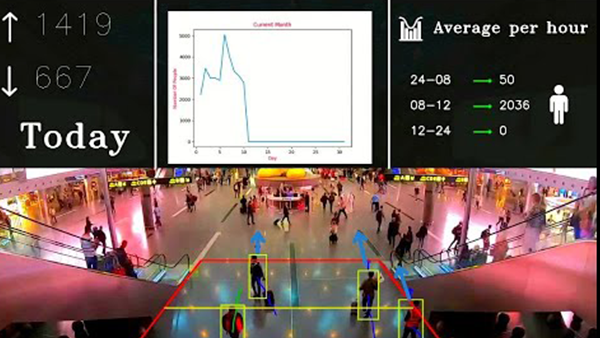
Wide-area surveillance powered by the Kepler platform covers kilometers of perimeter with overlapping sensor fields. Zone-based access control enforces clearance levels across terminals, runways, and dock areas, while automated cargo tracking monitors container movement and flags unauthorized handling in real time.Highlight
03Proven at Scale.
Continuous monitoring reduces cargo theft and infrastructure damage, threats trigger automated responses before security teams even arrive, and automation cuts guard hours while improving detection accuracy. The same architecture covers a regional airport or a global shipping terminal. AI-driven security closes the gap between what high-traffic facilities need and what legacy systems deliver -- scaling with the operational intelligence demands of modern logistics infrastructure.