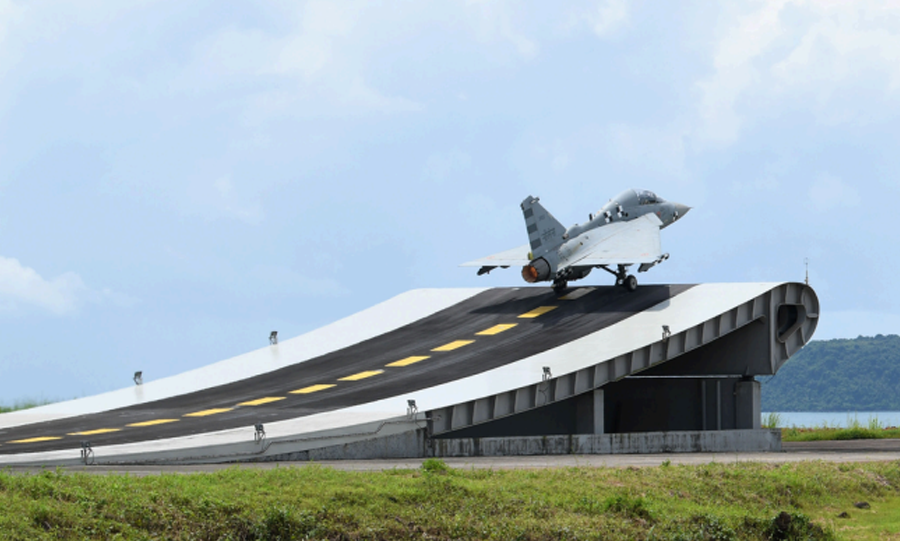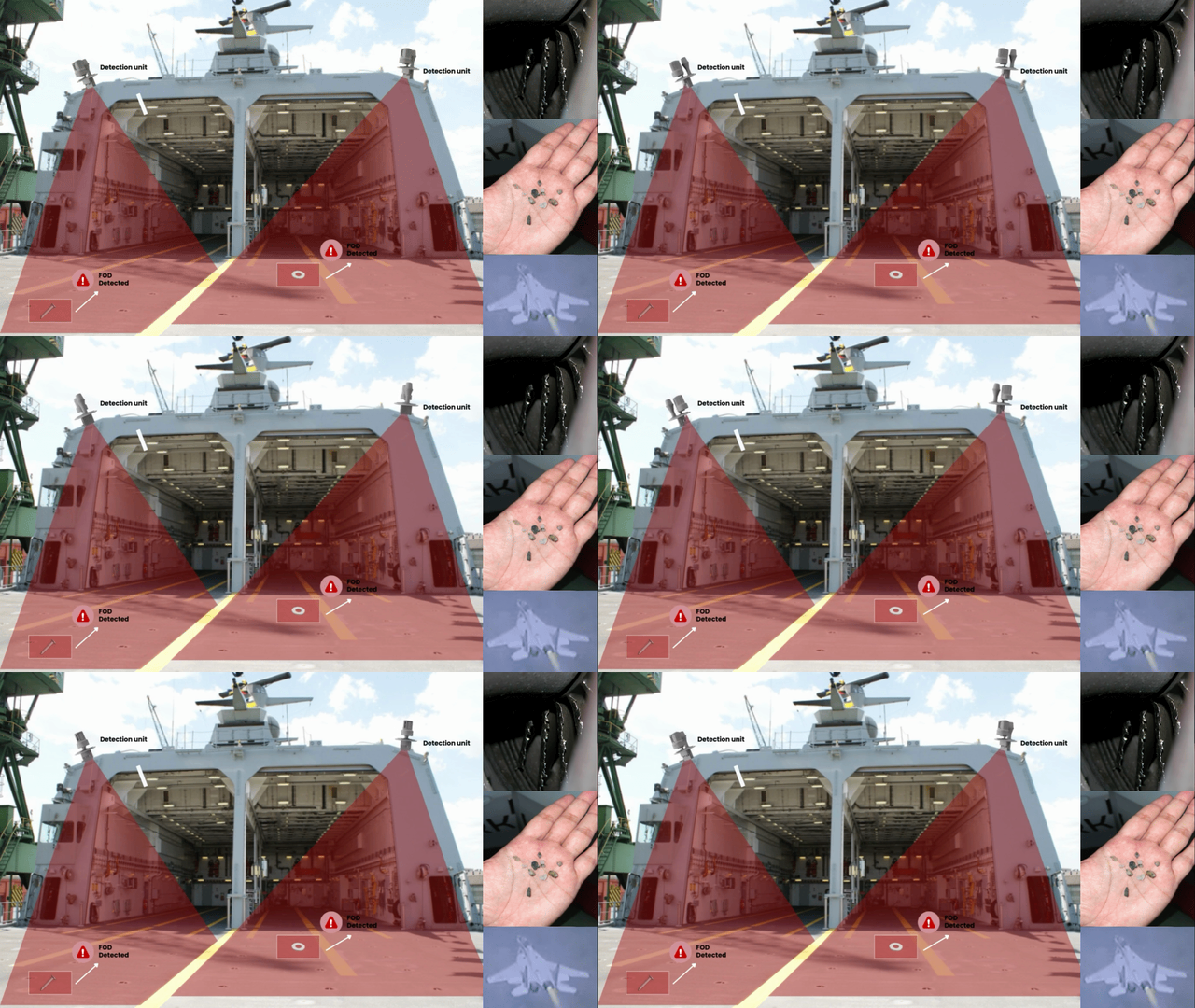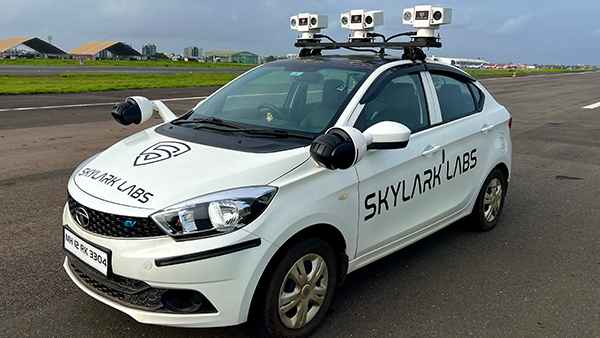
Skylark Labs deployed a mobile FOD detection system at an Indian air station, combining self-learning AI with thermal and PTZ cameras to identify runway debris in real time. The system operates continuously during flight operations, scanning full runway and taxiway surfaces without interrupting sorties -- a capability that manual inspection teams cannot match at the tempo of modern military aviation.
01FOD Challenges at Military Airfields.
Foreign Object Debris -- FOD -- is one of the most persistent hazards in military aviation. Stones, metal fragments, lost hardware, and natural debris accumulate on runways and taxiways between sorties, and any object ingested by a jet engine can cause catastrophic damage. At Indian air stations with high sortie volumes, the rate of debris accumulation outpaces what manual inspection teams can detect, particularly during surge operations or adverse weather.
Traditional FOD management relies on scheduled walk-downs and visual sweeps -- methods that are labor-intensive, weather-dependent, and incompatible with the tempo of a busy military airfield. Dust storms, extreme heat, heavy monsoon rain, and low-light conditions further degrade human detection performance. The result is a gap between the frequency of debris events and the capacity to find them before the next aircraft rolls. Closing that gap requires a system that detects continuously, adapts to changing conditions, and operates without interrupting flight operations.
Effective aviation safety means anticipating threats before they materialize. Our mobile FOD system embeds that proactive capability directly on the airfield.Dr. Amarjot Singh, CEO of Skylark Labs
02Mobile FOD Detection System.
Skylark Labs' solution is a vehicle-mounted detection platform that integrates thermal and PTZ cameras with self-learning AI running on edge hardware. The system drives the runway perimeter continuously, scanning pavement surfaces in real time and classifying detected objects by type, size, and risk level. Unlike fixed-installation FOD systems that cover only specific zones, the mobile platform provides full-surface coverage across runways, taxiways, and aprons.
Multi-sensor fusion combines thermal imaging with high-resolution optical data to maintain detection performance across all lighting and weather conditions. Thermal cameras identify objects by temperature differential against the pavement surface, while optical cameras provide visual confirmation and classification. The edge AI processor correlates both data streams in real time, generating alerts with object coordinates and classification data that integrate directly into airfield management systems.
Self-learning AI is the system's core differentiator. The neural networks adapt to each airfield's unique environment -- surface texture, ambient lighting, local debris profiles -- without requiring manual retraining. Models improve with every scan, progressively refining their ability to distinguish genuine FOD from pavement markings, surface variations, and environmental noise. This is the same edge adaptability architecture that powers Skylark Labs' detection systems across defense and public safety deployments.Highlight
03System in Operation.
Watch the mobile FOD detection system scanning an active runway, identifying and classifying debris objects in real time using thermal and optical sensor fusion.
04Measurable Safety Improvements.
Deploying continuous, automated FOD detection at an active Indian air station has produced measurable improvements in runway safety. Precise debris identification lowers FOD-related incident rates by catching objects that manual sweeps would miss, particularly small metallic fragments and low-contrast debris that blend with the pavement surface. All-weather operation ensures coverage does not degrade during the dust storms, monsoon rains, and extreme temperatures that are common at Indian airfields.
Early debris removal prevents costly engine and airframe repairs -- a single FOD-related engine event can cost millions in maintenance and lost operational readiness. By automating the scanning process, the system also reduces the number of personnel required on the flight line for manual inspections, freeing ground crews for other mission-critical tasks. The Kepler platform pushes model updates over the air, ensuring detection accuracy continues to improve with each deployment cycle across aviation operations.
05Scaling Across Military Aviation.
Mobile FOD detection with self-learning AI delivers continuous, automated runway safety without disrupting flight operations. Skylark Labs' system adapts to each airfield's conditions, providing a scalable approach to debris management at military installations. As the Indian Air Force modernizes its base infrastructure, this technology represents a step-change in how airfield safety is managed -- shifting from periodic manual inspections to continuous, AI-driven situational awareness across every meter of runway surface.