Most workplace injuries stem from the same handful of incident types. AI-powered monitoring systems detect these hazards before they cause harm, shifting safety management from reactive to preventive.
01The Five Most Common Incidents.
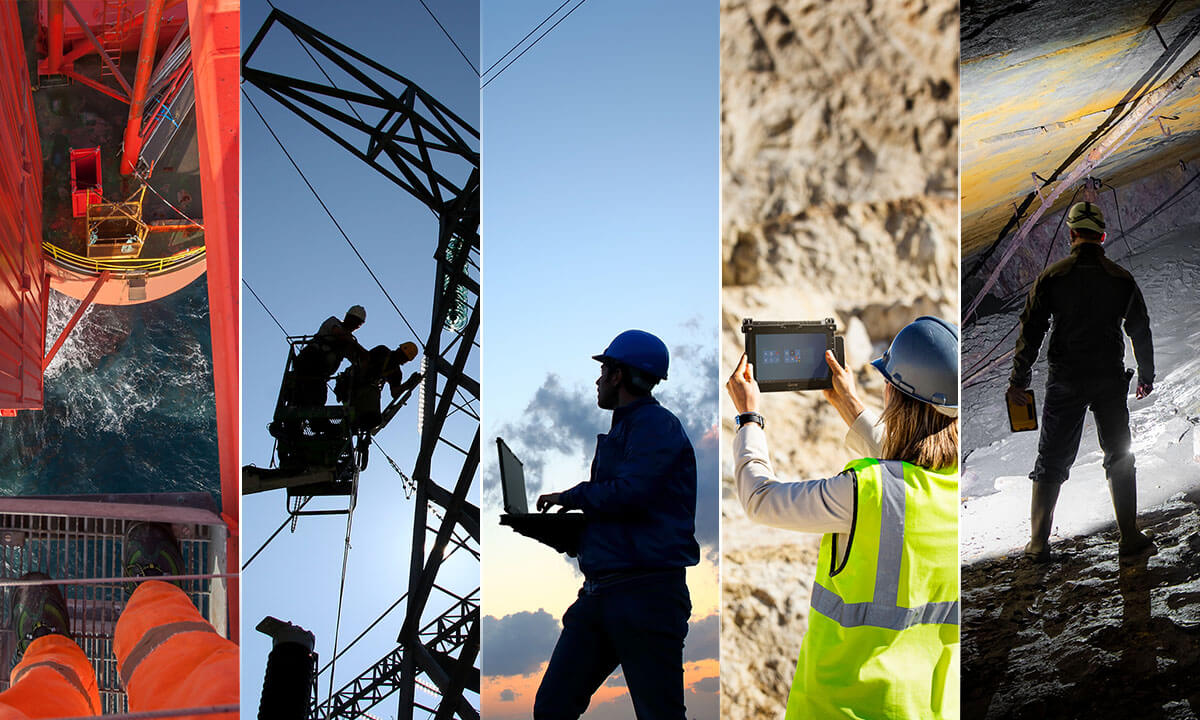
These incident categories account for the majority of workplace injuries, fatalities, and financial losses. According to OSHA compliance data, slips, trips, and falls remain the leading cause of workplace injury, triggered by wet surfaces, poor lighting, or obstructed walkways. Equipment accidents from improper operation or maintenance gaps follow closely behind.
Fire and explosion risks caused by electrical faults, chemical mishandling, or improper material storage continue to devastate industrial facilities. Unauthorized access leads to theft, sabotage, and workplace violence. Traditional safety measures -- posted signs, periodic audits, and manual patrols -- simply cannot address these threats at the speed and scale that modern operations demand.
The fifth category, struck-by incidents involving falling objects or moving vehicles, rounds out the most dangerous hazards that public safety technology must address. Each of these categories is preventable when continuous monitoring replaces periodic inspection.
AI-powered safety systems detect hazards before they become incidents. That is the difference between reactive reporting and proactive prevention.-- Dr. Amarjot Singh, CEO, Skylark Labs
02How AI Prevents Each Incident Type.
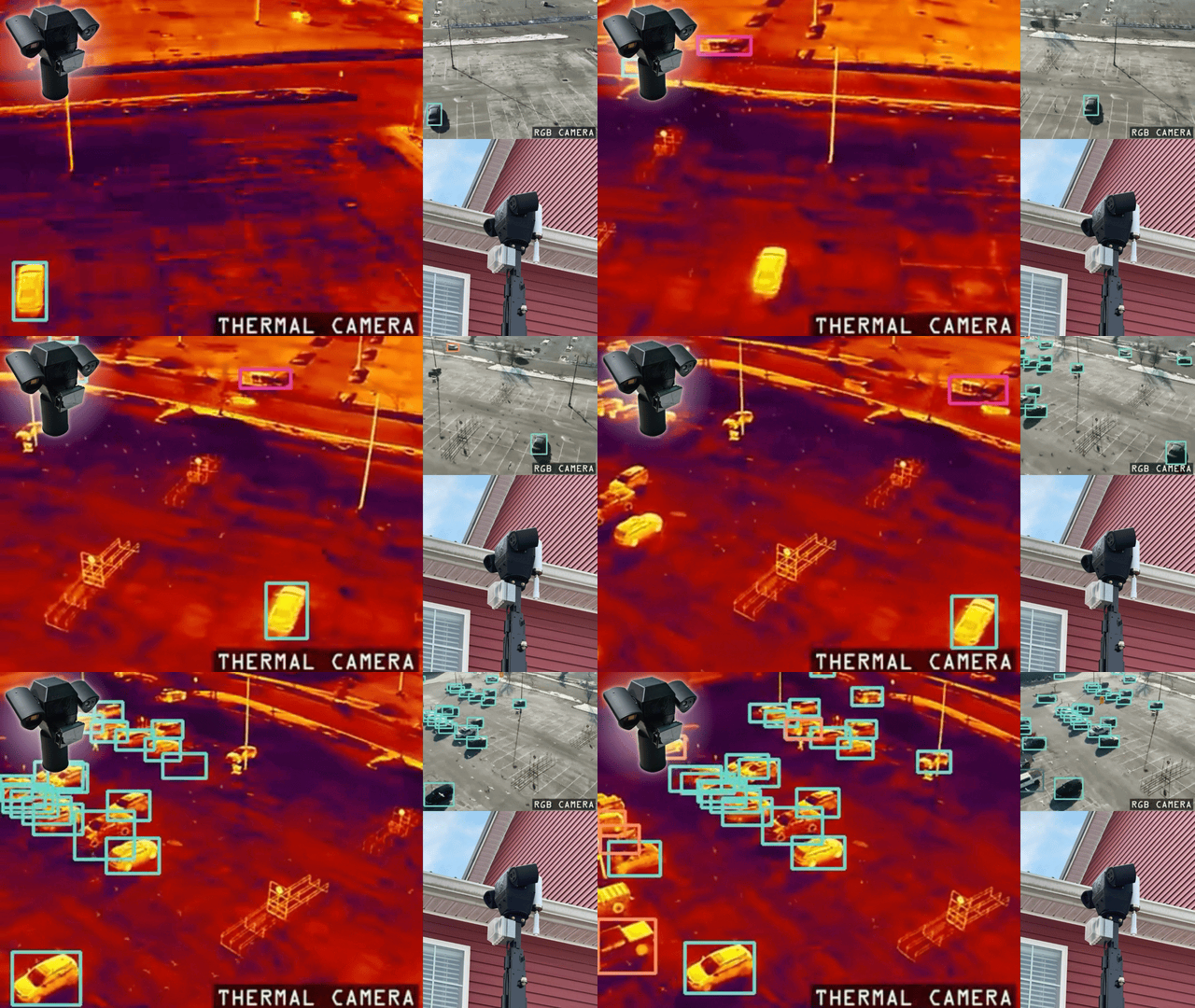
Skylark Labs' safety systems combine continuous monitoring, instant alerts, and predictive analytics to address each incident category directly. Sentinel AI Cameras detect hazardous conditions -- spills, obstructions, PPE violations -- in real time, while automated notifications reach safety teams within seconds of hazard detection.
Pattern recognition through advanced AI analytics identifies high-risk conditions before incidents occur. The system triggers safety lockdowns and emergency responses without human delay, ensuring that every hazard gets the fastest possible response.
Predictive Prevention: The Synapse AI Box processes video feeds at the edge, enabling sub-second hazard detection without cloud dependency. Combined with AI-driven safety protocols, organizations can shift from incident response to incident prevention.Highlight
03Measured Impact.
Early detection and automated intervention reduce workplace accidents significantly. Automated alerts cut emergency response times from minutes to seconds, while fewer incidents translate into lower insurance premiums and less operational downtime.
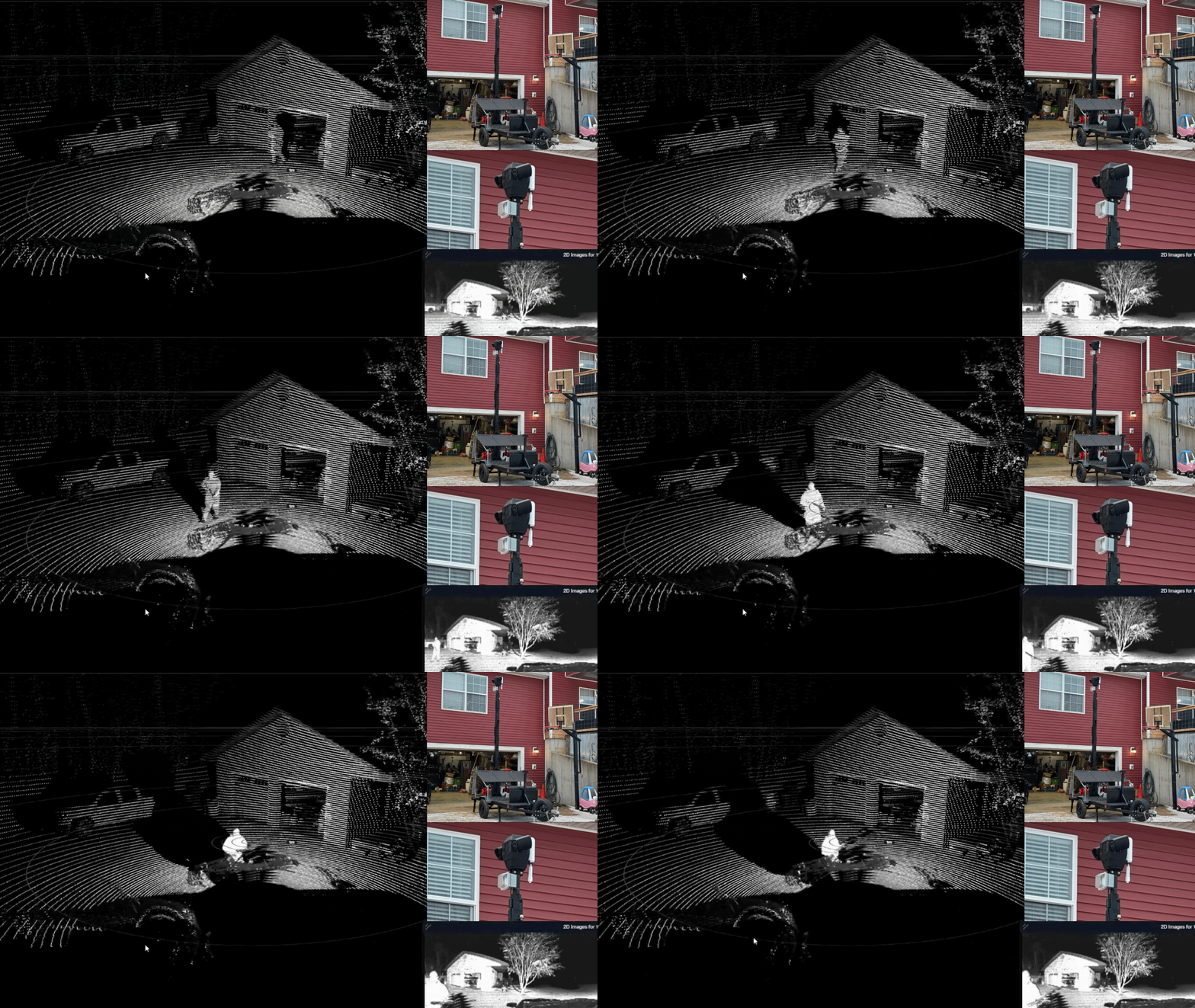
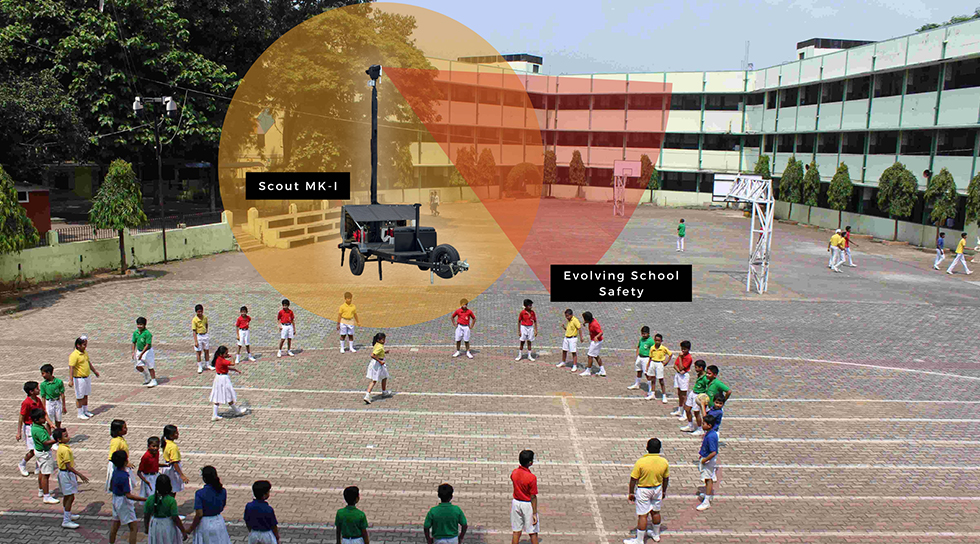
Continuous monitoring through Kepler produces audit-ready documentation automatically, ensuring regulatory compliance without manual record-keeping. Organizations deploying Scout AI Towers for outdoor safety monitoring report consistent improvements across all five incident categories.
04Building Safer Workplaces.
AI safety systems turn the five most common workplace hazards into preventable events. Organizations that deploy intelligent monitoring gain measurable reductions in incidents, costs, and compliance risk -- while building genuinely safer workplaces. The technology is proven across transportation, industrial, and public infrastructure environments today.