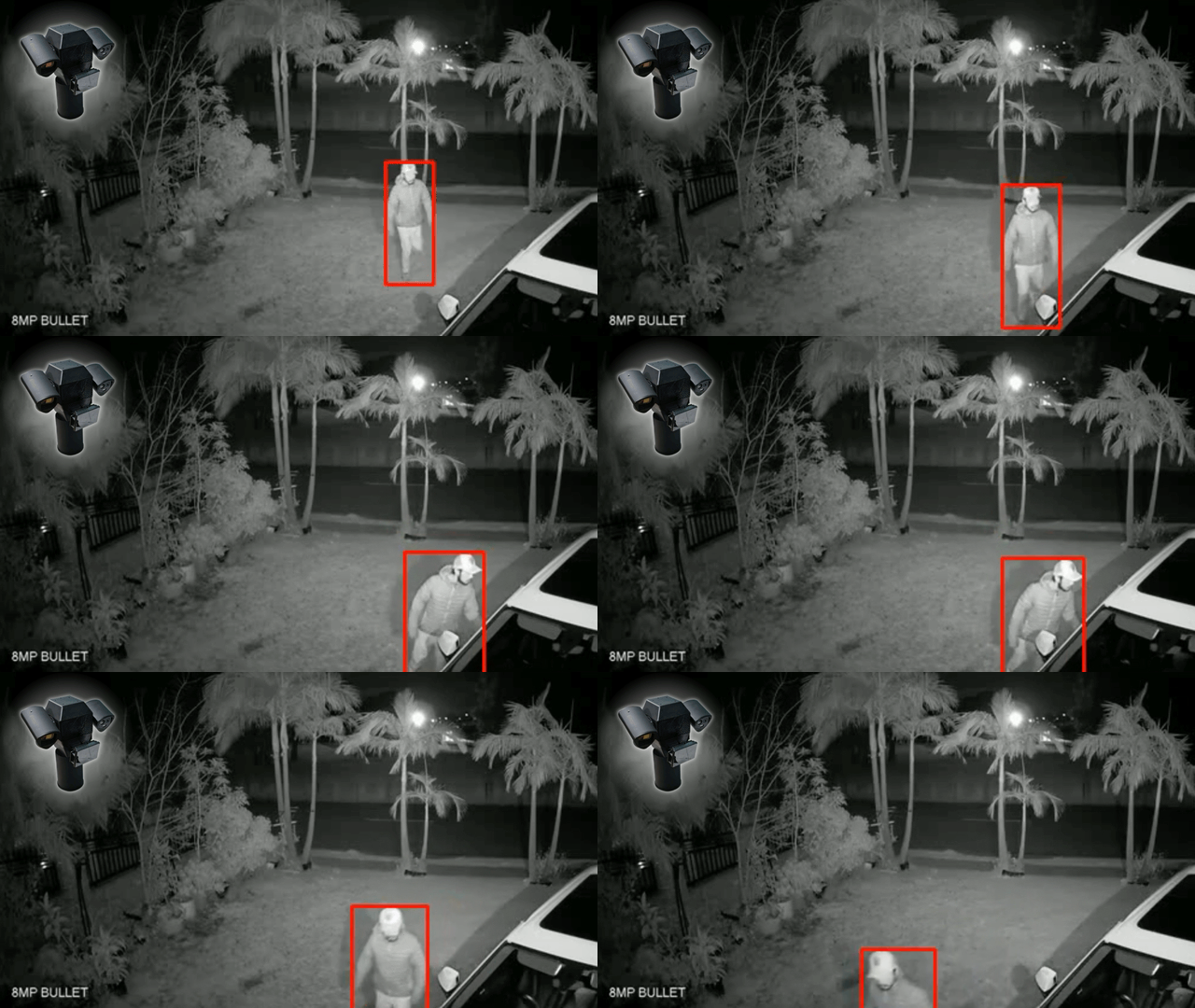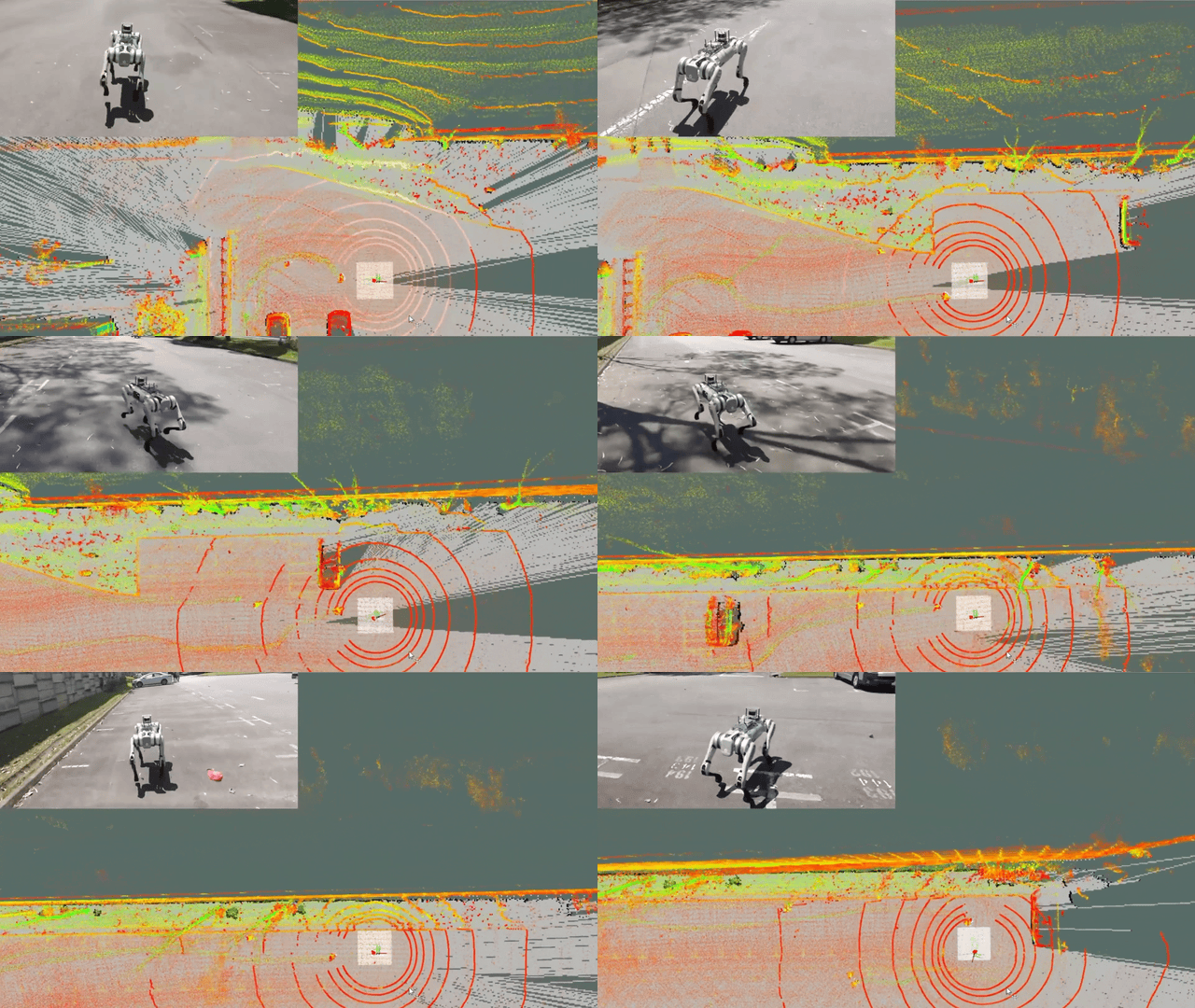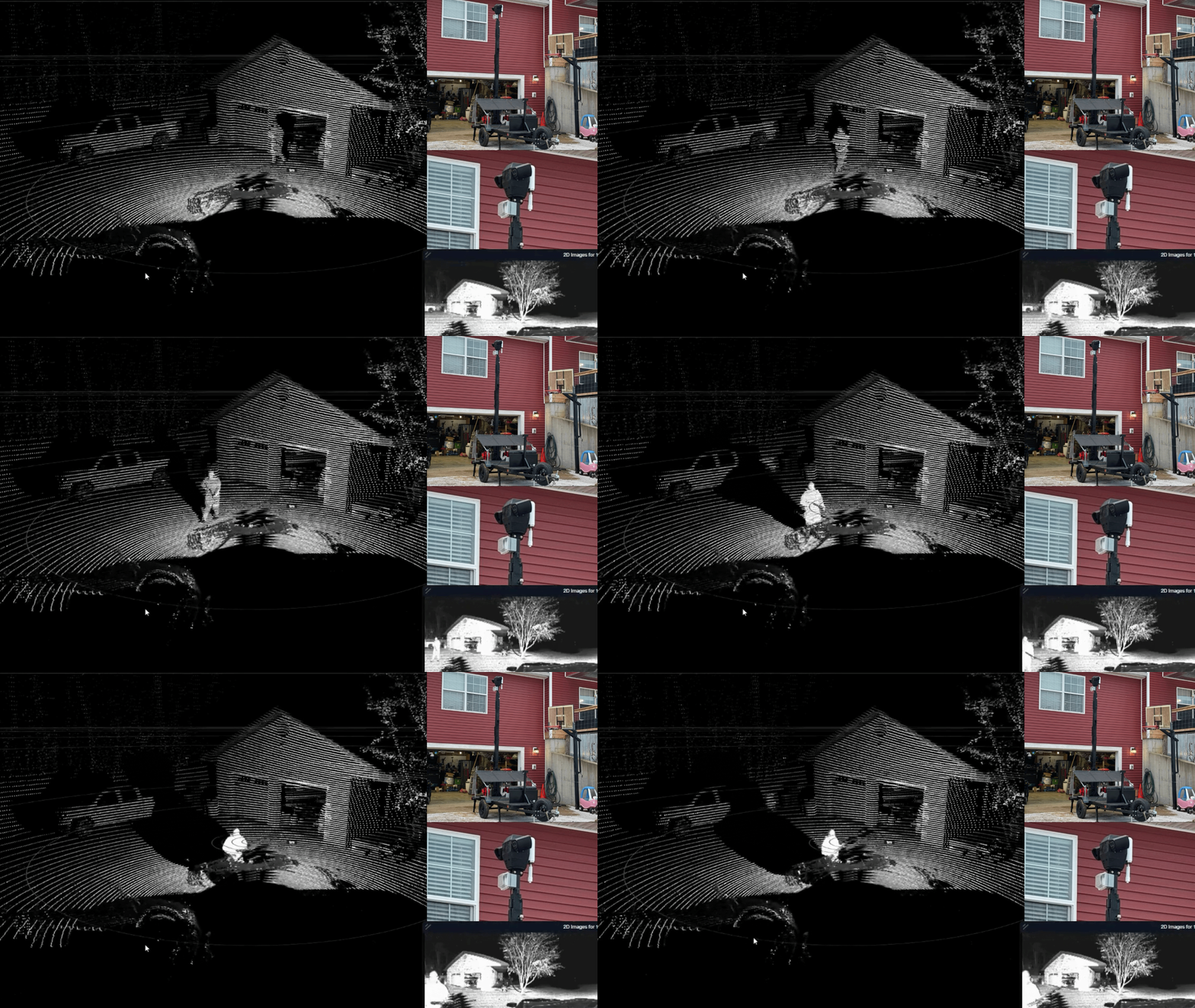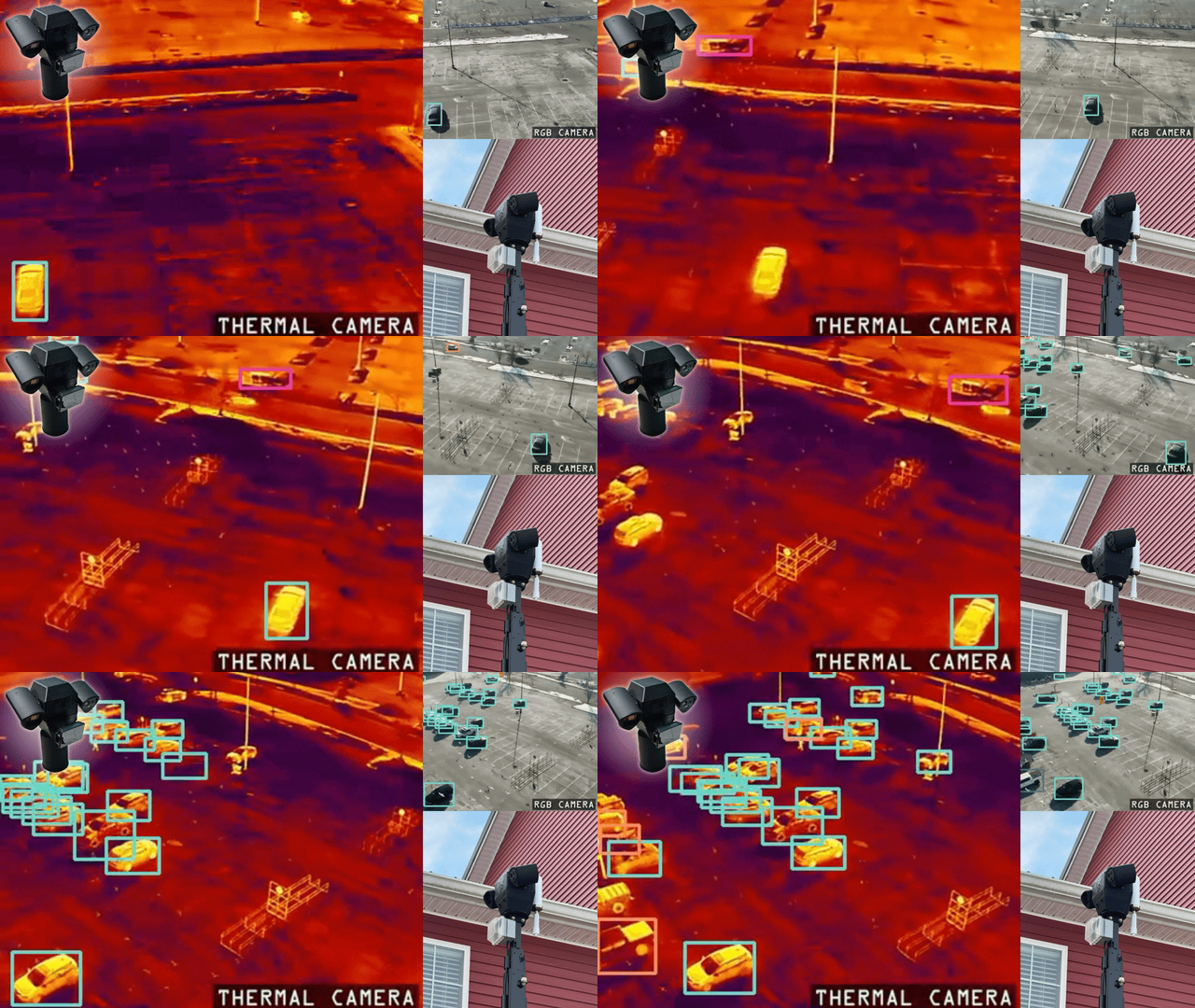
Multi-sensor surveillance powered by adaptive AI is redefining what is possible in public safety. By fusing LiDAR, thermal, and visual data at the edge, Skylark Labs delivers situational awareness that is faster, more accurate, and more privacy-respecting than any single-sensor approach. The LiDAR-first paradigm ensures detection is based on geometry, not identity.
01The Limits of Single-Sensor Surveillance.
Single-sensor surveillance systems, whether camera-only, radar-only, or thermal-only, each have inherent blind spots. Cameras fail in low light and adverse weather. Radar provides range but lacks classification granularity. Thermal signatures degrade in high-ambient-heat environments. Operating any of these in isolation produces a detection pipeline riddled with gaps and false positives.
The integration of LiDAR as a primary sensing modality addresses these limitations at the architectural level. LiDAR generates precise spatial maps regardless of lighting conditions, providing a geometry-first detection layer that can be correlated with secondary sensor data for classification and confirmation.
LiDAR sees the world in geometry, not identity. That single architectural decision eliminates bias from the detection pipeline.Dr. Amarjot Singh, CEO of Skylark Labs
02Multi-Sensor Fusion at the Edge.
The Scout AI Tower integrates LiDAR, thermal imaging, and event-triggered visual cameras into a single platform. The Synapse AI Box processes all sensor feeds on-device, running adaptive AI models built on the Kepler platform. When LiDAR detects a spatial anomaly, thermal data validates whether the object is a person, vehicle, or other heat source. Only when the combined analysis confirms a potential threat do the visual cameras activate for classification.
This cascading validation pipeline eliminates the false-positive flood that plagues single-sensor systems. Each sensor compensates for the weaknesses of the others: LiDAR works in total darkness, thermal cuts through fog and smoke, and cameras provide identity-level detail when needed.
LiDAR sees the world in geometry, not identity. By leading with spatial analysis rather than visual recognition, the system delivers unbiased threat detection that performs identically regardless of the appearance, clothing, or demographic characteristics of the individuals in its field of view.Highlight
03Operational Impact.
Deployments across public safety, campus security, and perimeter defense confirm that multi-sensor fusion reduces false-alarm rates by an order of magnitude compared to camera-only systems. Operators receive fewer but higher-confidence alerts, enabling faster decision-making and more efficient resource allocation.
The sub-second alert latency means that by the time a threat is detected, classified, and confirmed, the relevant parties have already been notified. This speed transforms security postures from reactive documentation to proactive intervention across every environment where the system is deployed.
04Looking Ahead.
Multi-sensor fusion at the edge represents the future of public safety surveillance. As Skylark Labs continues to advance the CFAMs framework, the integration of additional sensor modalities and improved classification models will push detection accuracy and response speed to new levels, making every deployment smarter than the last.