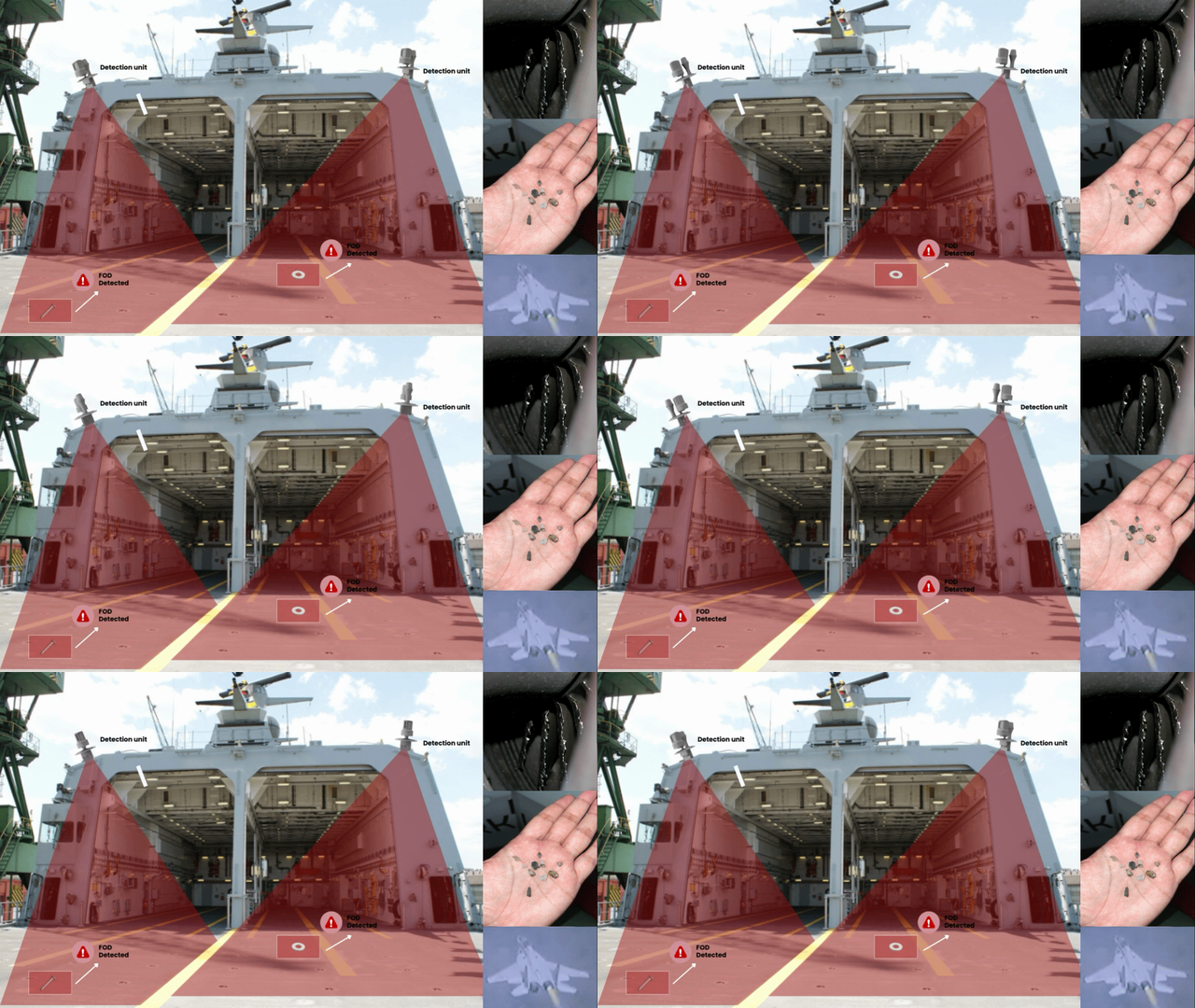
Oceans cover 70% of the planet, yet most maritime surveillance infrastructure was designed for an era of slower, less sophisticated threats. Smuggling networks, illegal fishing operations, and unauthorized incursions now exploit gaps in legacy monitoring systems daily. Skylark Labs built a multi-sensor AI platform to close those gaps.
01Why Traditional Maritime Surveillance Falls Short.
Coastal radar and AIS transponders remain the backbone of maritime monitoring, but they have well-documented blind spots. Small vessels can evade radar. Transponders can be switched off. And human operators monitoring dozens of feeds simultaneously miss critical events, especially during night shifts or rough weather. A single nation may need to monitor thousands of kilometers of coastline with a handful of patrol vessels and fixed sensors.
Fog, rain, high seas, and nightfall reduce optical sensor effectiveness by up to 80% without thermal or radar backup. Smugglers use dark vessels with no transponder, low-profile craft, and transfer-at-sea operations to avoid detection. Ports face simultaneous threats above and below the waterline, from unauthorized divers to small craft approaching restricted zones. These challenges demand a fundamentally different approach to maritime border protection.
The ocean does not wait for you to be ready. A maritime surveillance system has to work in the conditions it is given -- at night, in storms, with incomplete data.Dr. Amarjot Singh, CEO of Skylark Labs
02How the Multi-Sensor System Works.
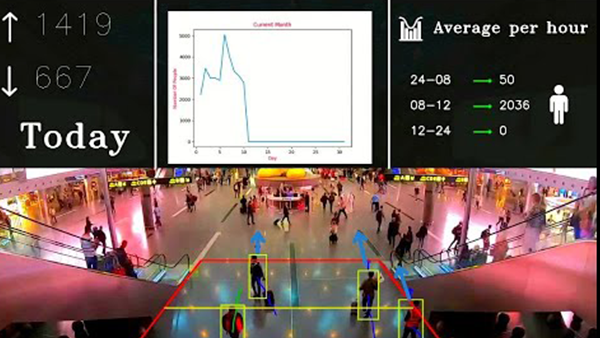
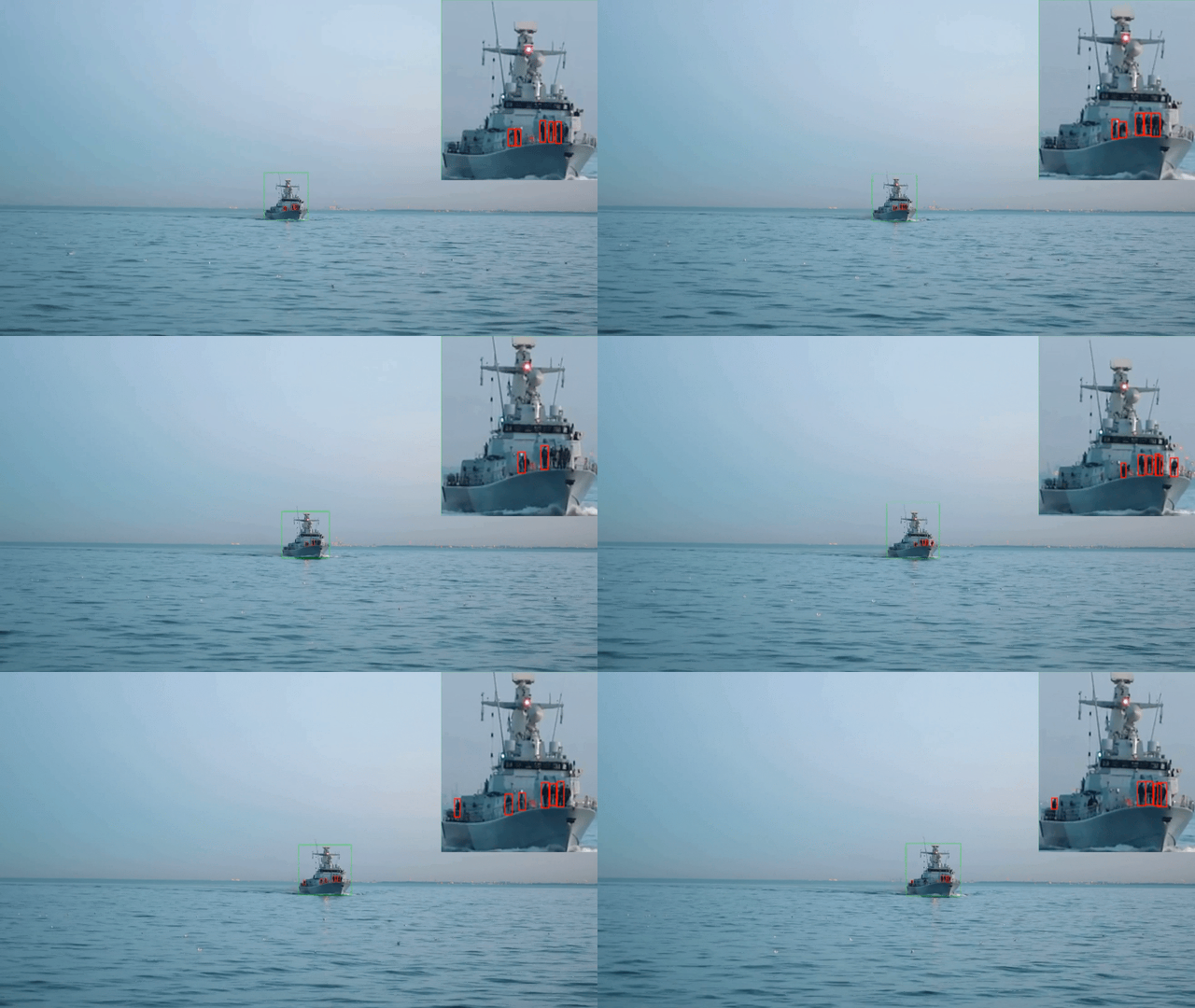
Our approach fuses data from electro-optical cameras, long-wave infrared thermal sensors, marine radar, and AIS feeds into a single AI-driven operating picture powered by Skylark's Kepler platform. Each sensor compensates for another's weakness. When fog blinds optical cameras, thermal imaging takes over. When radar loses a small craft in sea clutter, computer vision picks it back up. The system identifies vessel type, heading, and speed from fused sensor data -- distinguishing fishing boats from cargo ships from unidentified craft.
Behavioral analysis is a core differentiator. AI models trained on maritime traffic patterns flag anomalies: loitering in shipping lanes, transponder gaps, and unusual course changes. The edge processing hardware correlates LWIR thermal imaging with optical feeds for positive visual identification at ranges beyond 10 km, while automatic sensor switching maintains detection capability in rain, fog, and sea states up to Beaufort 7.Highlight
03Measured Results.
Multi-sensor fusion catches threats that any single sensor misses, particularly small, non-transponding vessels at night. Thermal and radar coverage extends the monitored perimeter well beyond the limits of optical-only systems. Automated alerts with classified threat data reach operators in seconds, not minutes -- patrol assets deploy to verified threats, not false alarms. The $52B coastal surveillance market reflects the global demand for this capability.
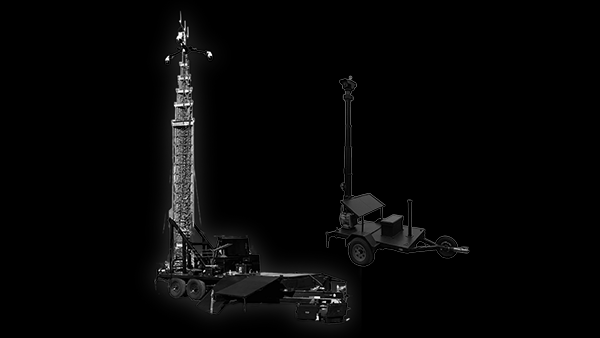
Cross-referencing multiple sensor inputs before triggering alerts reduces false positives significantly, preventing operator fatigue. The Sentinel AI Camera and Scout AI Tower platforms are purpose-built for this kind of persistent maritime watch, delivering adaptive intelligence that improves with every deployment cycle.
04Looking Ahead.
Maritime security is ultimately a data problem. The ocean generates enormous volumes of sensor data around the clock, and the threats hide in the noise. Skylark Labs' system turns that raw data into classified, prioritized alerts that human operators can act on immediately. The sensors already exist. The AI makes them work together -- and as global maritime threats grow more sophisticated, the need for intelligent maritime defense systems will only accelerate.