No single sensor can reliably secure a national border. Skylark Labs deploys multi-sensor fusion that combines cameras, radar, and thermal imaging into a unified AI-powered system — detecting threats across terrain types and weather conditions for reliable border security.
01Why Single-Sensor Surveillance Fails at Scale.
Borders span mountains, deserts, forests, and urban zones. Each environment degrades different sensor types in different ways. Relying on cameras alone, or radar alone, creates exploitable gaps that adversaries learn to navigate. A visible-light camera is blinded by fog, dust, or darkness. A thermal imager struggles with heat distortion in desert environments. Radar detects motion but cannot classify what is moving. When any one of these sensors fails, the entire surveillance picture collapses — and the border segment it was monitoring goes dark.
The challenge extends beyond sensor limitations. Monitoring hundreds of kilometers with limited personnel and surveillance infrastructure means that even when detections occur, operators may not see the alert in time. Traditional systems generate thousands of alarms per day, the vast majority of which are false positives triggered by wildlife, weather, or sensor noise. Alert fatigue causes operators to miss real threats buried in the noise — a problem that scales linearly with border length and sensor count.
When one sensor is blinded by weather or terrain, another fills the gap. That redundancy is what makes multi-sensor surveillance reliable — and AI is what makes it intelligent.Dr. Amarjot Singh, CEO of Skylark Labs
02How Multi-Sensor Fusion Works.
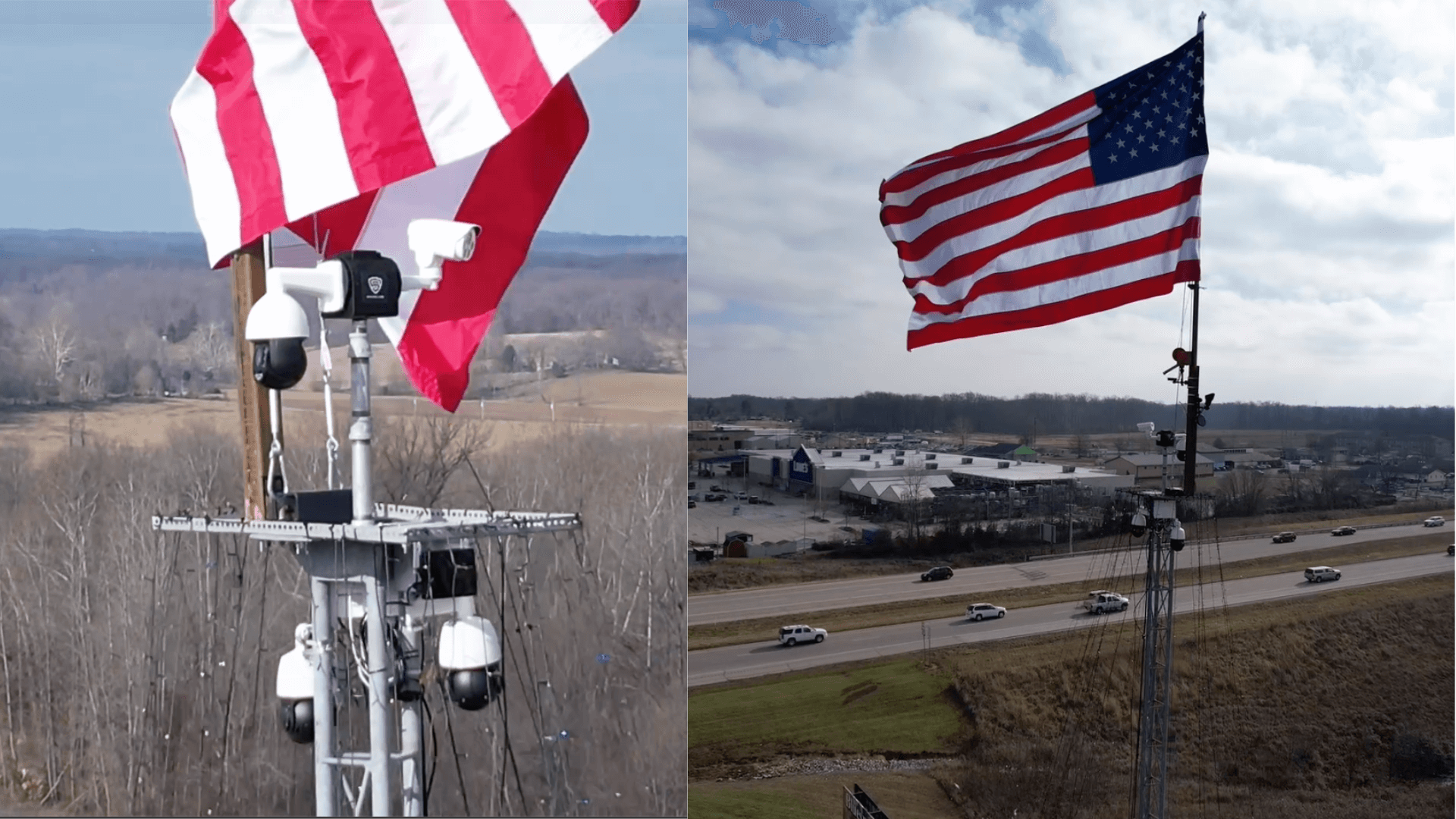
The system integrates visible-spectrum cameras, thermal imagers, radar, and AI analytics into a single platform. Each sensor compensates for the limitations of the others, producing a continuous operational picture. Visible-light cameras provide high-resolution imagery for identification. Thermal infrared detects heat signatures regardless of lighting conditions. Radar provides long-range early warning independent of visibility or weather. When these data streams are fused at the algorithmic level, the combined detection probability increases dramatically — studies show that fused-imagery algorithms achieve nearly 96% detection probability, far exceeding what any individual sensor delivers alone.
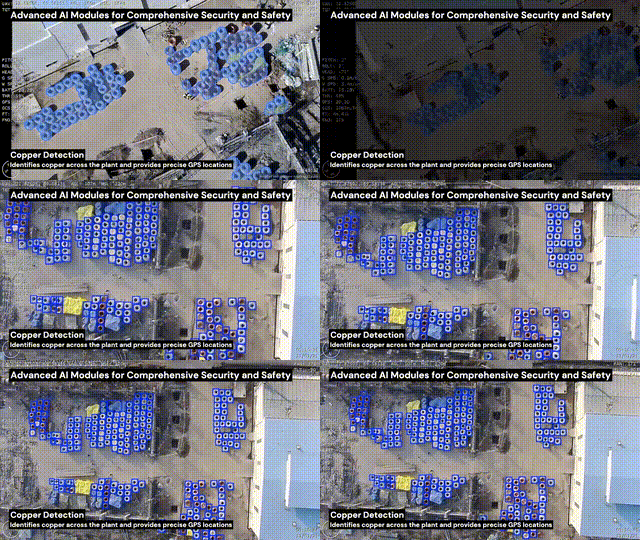
The processed output is not raw footage but a georeferenced intelligence product — geotagged, timestamped, and classified — ready for integration into command and control systems. Operators see confirmed threats, not sensor noise.
AI-driven correlation is the critical layer. Rather than presenting operators with three separate feeds to monitor, the Kepler platform fuses inputs from all sensors into a single, unified threat picture. When one modality is degraded — fog obscuring visible light, heat distortion flattening IR contrast — the system automatically compensates by weighting the remaining channels. Every detection is cross-validated across sensor types before an alert is raised, which eliminates the environmental noise and false triggers that overwhelm traditional systems.Highlight
03All-Weather, All-Terrain Resilience.
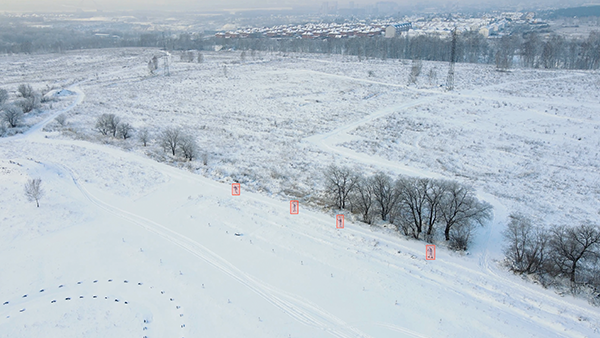
Border environments are among the most challenging on earth for sensor systems. Snow-covered mountain passes, arid deserts with extreme heat distortion, dense forest canopies, and coastal zones with salt spray and fog — each environment degrades sensors differently. Multi-sensor fusion turns this diversity from a weakness into a strength. In fog or heavy rain where cameras are useless, radar and thermal sensors maintain detection capability. At night when visible-light cameras go blind, thermal infrared picks up body heat signatures against cooler terrain backgrounds. During dust storms that scatter both light and infrared, radar provides reliable motion detection.
Skylark Labs' Synapse edge AI hardware is ruggedized for these conditions — operating in temperature extremes from -40 to +65 degrees Celsius, with sealed enclosures that withstand dust, moisture, and vibration. The result is surveillance infrastructure that maintains detection accuracy through the same conditions that ground traditional systems.
04Operational Results.
Deployments of multi-sensor border surveillance deliver measurable improvements across every operational metric. Sensor fusion catches threats that individual sensors miss in isolation — the combined system maintains detection rates that far exceed single-sensor baselines even under degraded conditions. Cross-sensor validation filters environmental noise, reducing false alarm rates by orders of magnitude and freeing operators to focus on confirmed detections rather than chasing phantom alerts.
Automated AI-driven threat classification enables immediate action on confirmed detections. When the system identifies a border incursion, the alert reaches the command center within seconds — with location coordinates, threat classification, and supporting imagery from multiple sensor types. Response forces no longer waste time verifying whether an alert is real. The operational tempo shifts from reactive investigation to proactive interception, matching the speed at which modern border threats evolve.
Continuous all-weather monitoring eliminates the coverage gaps that adversaries exploit. Day or night, rain or shine, the system maintains surveillance without human intervention — ending the dependence on manual patrols and weather-limited sensor windows that define traditional border surveillance architectures.Highlight
05The Future of Border Intelligence.
Multi-sensor fusion eliminates the single points of failure inherent in traditional border surveillance. By combining complementary sensing technologies with adaptive AI analytics, the system delivers reliable threat detection across any terrain and weather condition. As AI models train on operational data from active deployments, detection accuracy and threat classification improve with each cycle — the system becomes more effective the longer it operates.
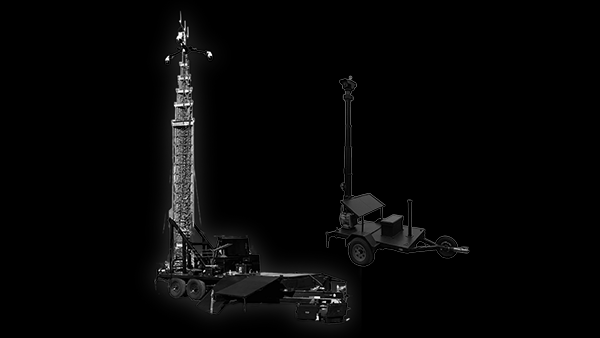
The next generation of border surveillance will integrate autonomous drone patrols, ground robots, and satellite feeds into the same fusion architecture — expanding the sensor mesh from fixed towers to mobile assets that can reposition based on threat activity. Skylark Labs is building this future today, with multi-sensor platforms already operational across defense and border programs worldwide.